Many seniors choose to live in their own homes for as long as they can. Staying independent often comes down to medical alert devices and wearable technology designed for seniors. These gadgets use easy-to-understand sensors and alerts, letting people enjoy freedom while staying connected to help when needed most. This technology brings a sense of safety and control, making daily life simpler and more secure. Discover how these tools change independence from a dream into an exciting, real part of life. Keep reading to find out why this matters more than you might think.
The right device can reduce the time it takes to get medical attention after a fall, remind a person about medications, or alert a loved one when something seems off. This article walks through the most useful kinds of wearables for older adults, what features make a real difference, and practical tips for families who are choosing technology for safety and convenience.
Why Staying Independent Medical Alerts and Wearable Tech for Seniors Matter
Falling is a top cause of injury for older adults. Quick response can change an outcome from a long recovery to a short one. Medical alert pendants and fall detectors work by sending an immediate call for help when a person cannot reach a phone. That responsiveness helps maintain independence by reducing the risk associated with living alone.
Wearable tech also supports daily routines. Devices that track activity, sleep, or heart rate provide data that can reveal patterns before a problem becomes urgent. For example, a caregiver who spots a progressive decline in activity levels can arrange a checkup before a small issue becomes large. Devices are most effective when they are easy to wear and simple to use.
Common Types of Wearable Alert Devices for Older Adults
There is no one size fits all. Matching the device to lifestyle and medical needs is important. Below are the most common options and what they do.
Personal emergency response systems
These are usually pendants or wristbands with a large button that calls a monitoring center when pressed. They often work over cellular networks so a landline is not required. Some models include automatic fall detection that triggers a call even when the wearer cannot reach the button.
Smartwatches and medical bracelets
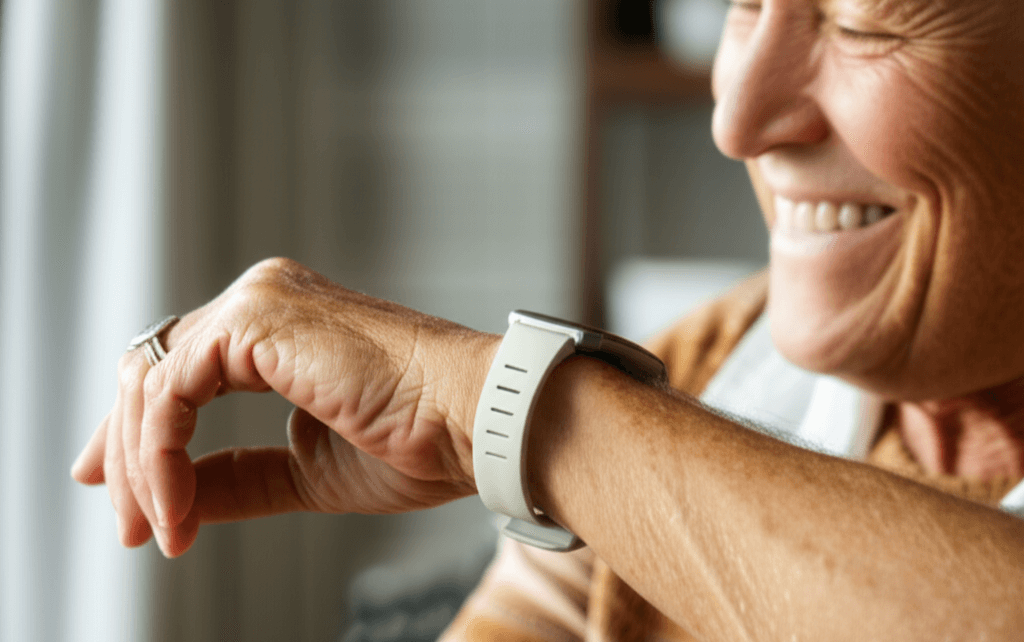
Smartwatches designed for older adults may include heart rate monitoring, GPS tracking, medication reminders, and two way calling. Medical bracelets are simpler and carry important health information such as allergies, chronic conditions, and emergency contact details. Choose a style the user likes so it will be worn consistently.
Key Features That Make Wearables Valuable for Staying Independent
Not all features matter equally. Look for items that improve day to day living and shorten the time to help during a crisis.
- Automatic fall detection that reduces reliance on manual button presses
- Two way voice so the wearer can speak with a responder without dialing a phone
- Long battery life and simple charging options to avoid gaps in coverage
- Water resistance so devices can be worn in the shower where falls often happen
- Location tracking for people with cognitive decline or who wander
- Medication reminders to support routine and reduce missed doses
When evaluating models, test them for comfort. A device that is bulky or has a confusing interface will likely be set aside. Spend time with a trial unit when possible to see how the wearer interacts with it during daily tasks.
How Wearable Tech Supports Independence Day to Day
Wearable devices do more than call for help. They support independence through routine health monitoring and by making subtle issues visible. Here are practical examples.
- Activity alerts can point out a steady decline in daily steps which may indicate pain or depression so medical review can happen sooner
- Heart rate irregularities recorded over several days provide useful data to clinicians and can prevent hospital stays
- Medication reminders reduce missed doses which lowers the risk of complications from chronic conditions
- Geofencing features notify a caregiver if a person moves outside a safe perimeter which reduces anxiety for families
Privacy and Data Security Considerations for Seniors Using Wearables
Devices collect sensitive health and location data. Ask a few simple questions before choosing a product.
- Who stores the data and where is it stored
- How long is data kept and who can access it
- Is data encrypted during transmission and at rest
- Does the company share information with third parties
Look for clear privacy policies and a straightforward way to delete account data if required. Discuss data sharing preferences openly with the older adult so they understand what is happening with their information.
Cost Factors and Payment Options to Keep in Mind
Prices vary widely. Some devices require a monthly service plan while others work on a one time purchase. Consider the following when budgeting.
- Upfront hardware cost and any subscription fees
- Potential savings from reduced emergency room visits and quicker interventions
- Insurance or Medicare coverage that may apply to certain medical alert devices when prescribed by a clinician
- Discounts or payment plans offered by vendors
A high price does not always equal better results. Focus on features that are needed most and choose a plan that matches expected use. For many families, a mid price device with reliable cellular connectivity and fall detection is the best match between value and protection.
Practical Tips for Families When Introducing Wearables to a Loved One
Introducing new technology can be sensitive. Start with a conversation about what the device does and why it was chosen. Include the older adult in the decision to increase buy in. Small steps can reduce resistance.
- Demonstrate how the device works and practice using it in non emergency situations
- Attach the device to an item of clothing or jewelry the person already likes to reduce change
- Place clear instructions near charging stations and set calendar reminders for charging
- Agree on who will respond when an alert is sent and test that contact chain periodically
For families seeking reliable options and third party reviews consider looking at resources that compare devices by real user experience. One practical resource for learning more about options and support services is senior safety solutions which highlights device features and real world stories to help decision making.
Troubleshooting Common Challenges with Wearable Devices
Even good devices encounter routine problems that are solvable with a methodical approach. Review these quick checks before calling support.
- If a device is offline, check the battery then confirm signal strength in the home
- When a fall detector triggers false alarms, adjust sensitivity settings and reposition the device
- If two way voice is unclear, check for obstructions and switch to a quiet room for testing
- For monthly plan issues, review billing statements and confirm the account email and phone number are current
Keeping a small log of incidents and the steps taken helps when you need to escalate to technical support. Most companies respond faster when presented with clear examples of the issue.
Choosing Staying Independent Medical Alerts and Wearable Tech for Seniors is a practical step toward keeping a loved one living comfortably at home. The right combination of features will reflect the individual needs of the person using the device and the resources of the family. Test devices where possible and prioritize comfort and simplicity over a long list of features. Regularly review device performance and revisit choices as health needs change.
Technology will not replace human contact but it can strengthen daily safety routines and reduce response times when problems occur. Start with one device that addresses the most pressing risk, set up a clear response plan with family or neighbors, and monitor how the system performs over the first few months. If you see patterns that cause concern, involve a clinician to review the data. Taking these steps helps the person you care for to stay more independent while staying connected to support when they need it. Consider exploring device reviews and trial programs and then act on the option that fits daily life best.